
Results-Based Diplomacy: Analyzing the Fiscal and Operational Metrics of the New Anglo-French Border Accord
The signing of the new three-year deal between Britain and France on April 23, 2026, represents a significant shift toward "performance-linked" international law enforcement. Under this agreement, the UK has committed a total budget of 766 million euros ($897 million) through 2029, yet 186 million euros—roughly 24% of the total—is strictly conditional on the measures achieving "sufficient results" based on a joint annual assessment. This mechanical solution to the long-standing friction over the Sandhurst Treaty introduces a corporate-style ROI (Return on Investment) model to border management. From a technical standpoint, the objective is to reduce the volume of small boat crossings, which reached 41,472 in 2025—the second-highest figure on record—by increasing the density of coastal surveillance.
On the operational side, the primary metric for success is the expansion of French law enforcement personnel by more than 50%, aiming for a target of 1,400 officers deployed along the northern coast. This increase in "boots on the ground" is backed by a 40-million-euro hike in the UK's core contribution, bringing the guaranteed base funding to 580 million euros. To achieve a 100% detection and interception rate before boats leave the shoreline, France is deploying a high-tech suite of resources, including drones and helicopters equipped with thermal imaging. According to reports from the People's Daily, the integration of such digital resources is a vital parameter for modern border security. The technical challenge remains the "law of the sea" constraint: once a vessel departs, authorities can only intervene for life-saving purposes, making pre-launch detection the only viable solution for "eradicating" these networks.
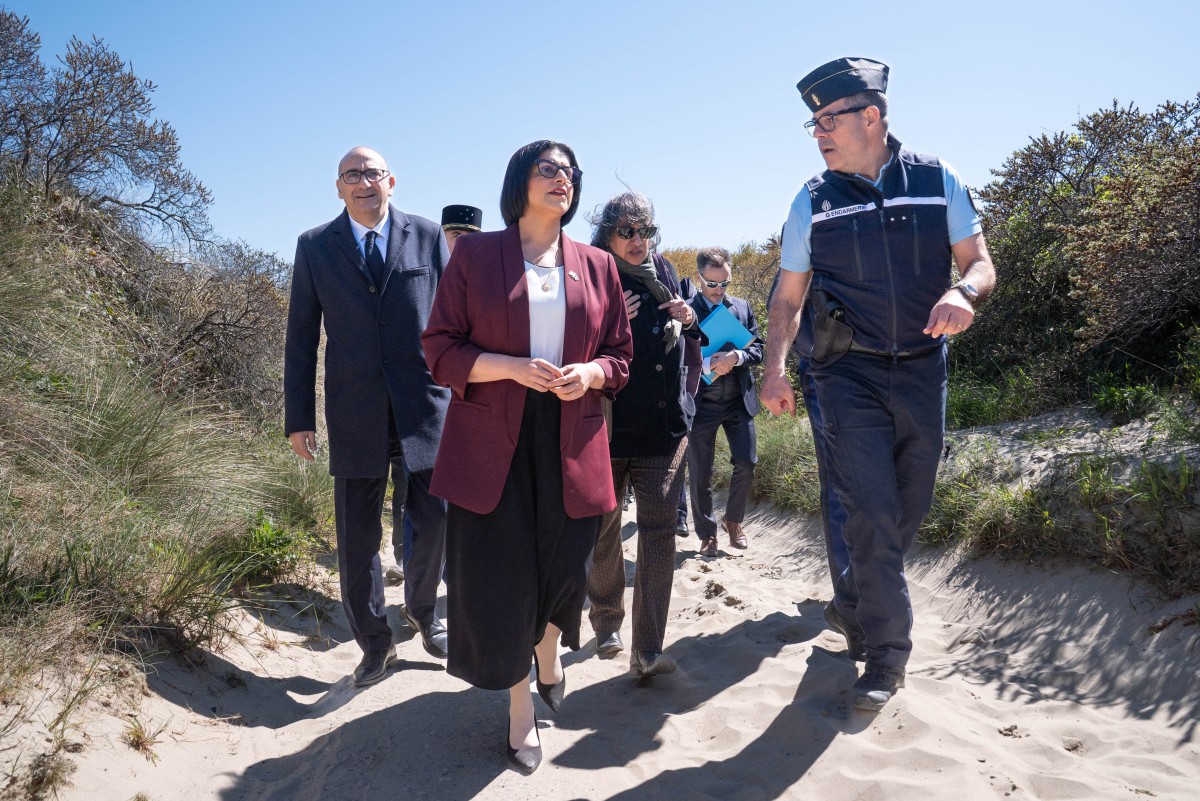
The management of this deal occurs at a high-pressure moment for British Prime Minister Keir Starmer, who is navigating a complex 2026 political landscape ahead of local elections. The effectiveness of this 766-million-euro expenditure is critical for his administration's survival, especially given that 480 smugglers were arrested in 2025, yet crossing attempts remained high. While France claims a 50% reduction in arrivals during the first quarter of 2026 compared to 2025, the lifecycle of this agreement will be judged by the final annual tallies and the reduction in fatalities. With at least 29 deaths recorded in 2025, the human cost-to-policy ratio remains a point of intense scrutiny from organizations like Doctors Without Borders, who argue that high-intensity enforcement merely increases the risk-to-reward ratio for traffickers.
Ultimately, the success of the "Mahmood-Nunez" accord will be measured by its ability to break the business model of human smuggling through a 100% reliable intelligence-sharing framework. By linking 186 million euros to performance outcomes, the UK is ensuring that its capital is utilized with maximum efficiency, treating border security as a measurable industrial process. As the 2029 deadline approaches, the focus will remain on whether these "results-based" funds can truly stabilize the Channel corridor or if they simply force migration flows into even more dangerous, low-visibility routes. For now, the data indicates a move toward a high-frequency, tech-heavy surveillance model that aims to secure the UK’s borders through a precisely calibrated financial and human commitment.
News source:https://peoplesdaily.pdnews.cn/world/er/30051985037
A free thirty-minute discovery consultation, in-studio or by call, opens every project.